
Infertility is a growing concern among couples worldwide, affecting both emotional well-being and future family planning. Fortunately, advancements in reproductive medicine have made it possible to overcome many fertility challenges. One of the most effective treatments available today is Intracytoplasmic Sperm Injection (ICSI). For couples considering this option, understanding the ICSI treatment success rate is essential to set realistic expectations and make informed decisions.
ICSI is especially beneficial in cases where male infertility is a major concern. It has revolutionized fertility treatments by directly assisting the fertilization process. However, success is not guaranteed, and outcomes can vary based on several factors. This blog explores everything you need to know about the ICSI treatment success rate, including influencing factors, age-based outcomes, and ways to improve your chances of success.
What is ICSI Treatment?
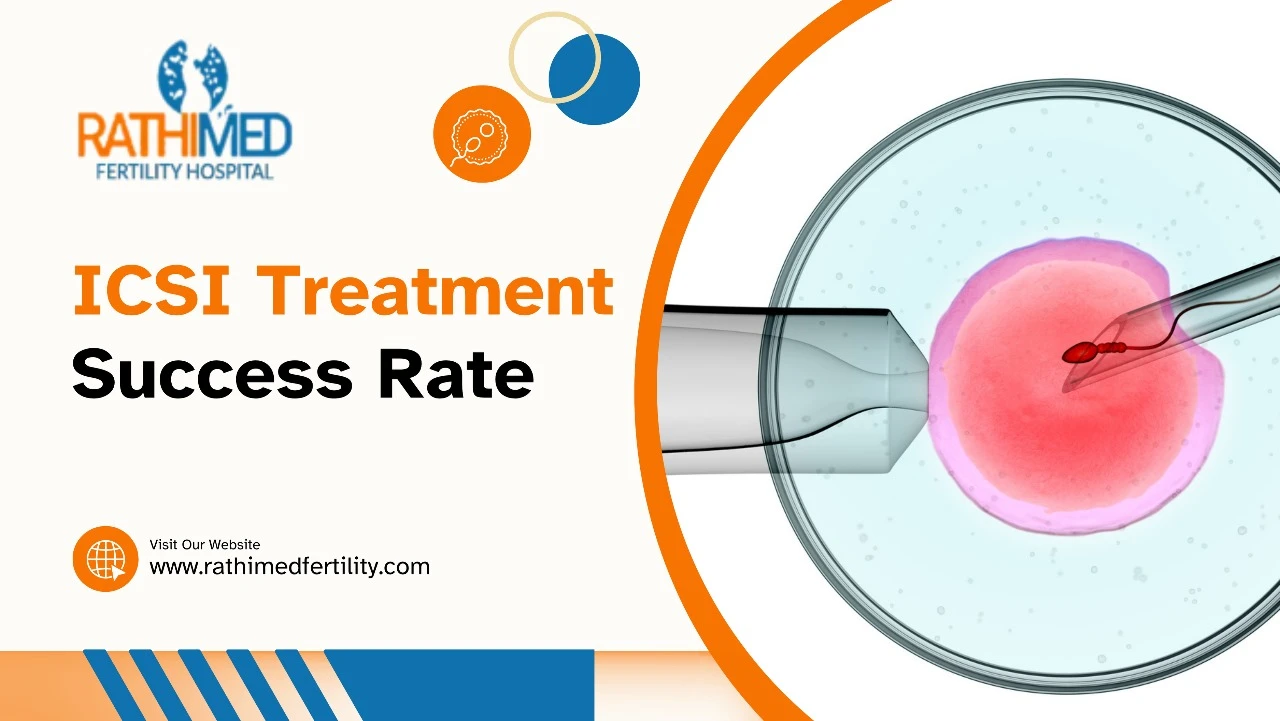
Intracytoplasmic Sperm Injection (ICSI) is an advanced assisted reproductive technique that is performed as part of an IVF cycle. In this procedure, a single healthy sperm is carefully selected and injected directly into a mature egg using specialized laboratory equipment. This process ensures fertilization, even when sperm quality or movement is compromised.
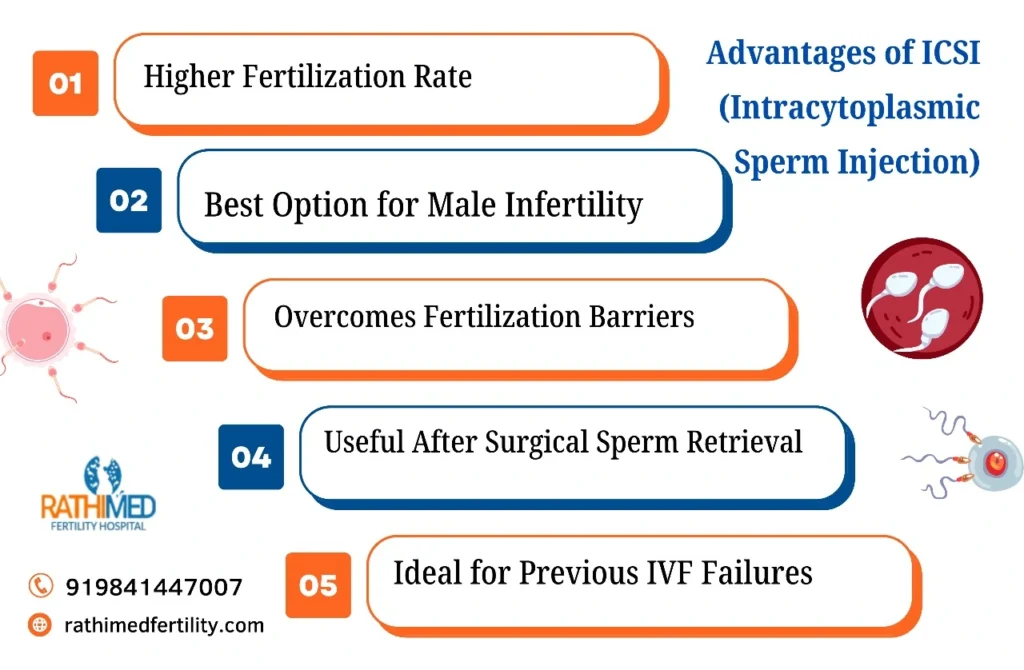
Unlike traditional IVF, where sperm must penetrate the egg naturally, ICSI eliminates many barriers to fertilization. As a result, Icsi treatment for pregnancy has become a preferred option for couples dealing with male factor infertility or repeated IVF failures. This technique significantly improves fertilization rates and increases the likelihood of embryo development.

Who Needs ICSI Treatment?
ICSI is not recommended for every couple but is highly effective in specific situations. Doctors usually suggest this procedure when there are underlying fertility issues that make natural fertilization difficult.
Some common indications include:
- Low sperm count or poor sperm motility
- Abnormal sperm morphology
- Previous IVF cycle failures
- Use of frozen or surgically retrieved sperm
- Unexplained infertility cases
- Genetic concerns requiring controlled fertilization
For many couples, ICSI provides a targeted and reliable solution, offering renewed hope after unsuccessful attempts with other treatments.
ICSI Procedure Step-by-Step
Understanding the ICSI process can help reduce anxiety and prepare couples for treatment. The procedure involves several carefully monitored stages:
- Ovarian Stimulation: The treatment begins with hormone injections that stimulate the ovaries to produce multiple eggs. This increases the chances of successful fertilization.
- Egg Retrieval: Once the eggs are mature, they are retrieved using a minor surgical procedure performed under sedation. The process is quick and generally safe.
- Sperm Collection: A semen sample is collected from the male partner, or sperm is retrieved through medical procedures if necessary.
- Fertilization Process: In the laboratory, a single healthy sperm is injected directly into each mature egg. This step is crucial and requires advanced expertise.
- Embryo Development: Fertilized eggs are monitored as they develop into embryos over the next few days.
- Embryo Transfer: One or more healthy embryos are transferred into the uterus for implantation.
- Pregnancy Confirmation: A pregnancy test is conducted about two weeks after embryo transfer to determine success.
Many patients often ask whether ICSI treatment is painful, but most steps are minimally invasive and performed under anesthesia or sedation to ensure comfort.
ICSI Treatment Success Rate
The ICSI treatment success rate is one of the most important considerations for couples planning fertility treatment. Success can be measured in different ways, including fertilization rates, embryo development, and successful pregnancy.
On average, fertilization rates with ICSI range between 70% and 85%. However, when it comes to achieving pregnancy, the ICSI treatment success rate typically falls between 30% and 50% per cycle. This variation depends on individual health conditions and other influencing factors.
It is important to understand that the ICSI treatment success rate is not the same for every patient. While some couples may achieve success in their first cycle, others may require multiple attempts. Having realistic expectations can help couples stay positive and prepared throughout the journey.
ICSI Success Rate by Age
Age plays a crucial role in determining fertility outcomes. The Icsi success rate by age is one of the most significant factors influencing treatment success.
- Women under 30 years: Highest success rates due to better egg quality
- Women aged 30–35 years: Good success rates with slight decline
- Women aged 35–40 years: Moderate success rates
- Women above 40 years: Lower success rates due to reduced ovarian reserve
Research shows that Icsi success rates under 30 are considerably higher compared to other age groups. Younger women generally produce healthier eggs, which increases the chances of successful fertilization and implantation.
Understanding the Icsi success rate by age helps couples plan their treatment at the right time and improves overall outcomes.
Why Does ICSI Treatment Success Rate Matter?
The ICSI treatment success rate is more than just a statistic—it plays a key role in guiding couples through their fertility journey.
- It helps set realistic expectations about the outcome
- It assists in financial planning, as multiple cycles may be needed
- It allows couples to compare treatment options effectively
- It builds confidence in choosing the right fertility center
By understanding the ICSI treatment success rate, couples can make informed decisions and approach treatment with clarity and confidence.
Factors Affecting ICSI Treatment Success Rate
Several factors influence the outcome of ICSI treatment. Being aware of these factors can help couples take the necessary steps to improve their chances.
- Age of the Woman: Age is one of the most important factors. Younger women typically have better egg quality, leading to higher success rates.
- Egg Quality: Healthy eggs are essential for successful fertilization and embryo development.
- Sperm Quality: Although ICSI bypasses many sperm-related issues, the quality of sperm still plays a role in embryo health.
- Embryo Quality: High-quality embryos have a greater chance of successful implantation in the uterus.
- Uterine Health: A healthy uterus with a suitable lining is crucial for embryo implantation.
- Lifestyle Factors: Smoking, alcohol consumption, poor diet, and stress can negatively affect fertility and reduce success rates.
- Medical Expertise: The experience of the fertility specialist and the quality of laboratory facilities significantly impact the ICSI treatment success rate.
How to Improve ICSI Treatment Success Rate
While some factors cannot be controlled, there are several ways couples can improve their chances of success.
- Maintain a balanced and nutritious diet
- Engage in regular physical activity
- Avoid smoking and alcohol consumption
- Manage stress through meditation or counseling
- Follow all medical instructions carefully
- Choose a well-equipped fertility center with experienced specialists
Taking these steps can positively influence the ICSI treatment success rate and increase the likelihood of achieving a successful pregnancy.
ICSI vs IVF: Which Has a Better Success Rate?
ICSI and IVF are both effective assisted reproductive techniques, but they differ in how fertilization occurs.
In IVF, sperm fertilizes the egg naturally in a laboratory dish. In contrast, ICSI involves direct injection of sperm into the egg. This makes ICSI particularly useful in cases of male infertility.
While overall pregnancy success rates for IVF and ICSI are similar, ICSI often provides better fertilization outcomes in specific cases. The choice between the two depends on individual medical conditions and the recommendation of the fertility specialist.
ICSI Treatment Cost
The ICSI treatment cost varies depending on factors such as clinic location, medical expertise, and additional procedures required. In India, the cost can range from moderate to high, depending on the complexity of the case.
When evaluating the ICSI treatment cost, it is important to consider the quality of care, laboratory standards, and success rates rather than focusing solely on affordability. Investing in a reputable fertility center can significantly improve outcomes and reduce the need for repeated cycles.
Risks and Limitations of ICSI
Although ICSI is a highly effective treatment, it is important to understand its limitations.
- Success is not guaranteed in every cycle
- Multiple cycles may be required for pregnancy
- Emotional and financial stress can be significant
- There may be a slight risk of fertilization failure
Despite these challenges, ICSI remains one of the most reliable solutions for couples struggling with infertility.
Conclusion
The ICSI treatment success rate is a crucial factor for couples considering fertility treatment. While outcomes can vary based on age, health, and medical expertise, ICSI has proven to be a powerful tool in overcoming infertility challenges.
By understanding the process, addressing key influencing factors, and making healthy lifestyle choices, couples can improve their chances of success. With the right support and guidance, the dream of parenthood can become a reality through ICSI treatment.
Also read, Best Treatment for Infertility.